
Products
We transform what others consider waste.
RENDERING
Sanitary Impact & Biosecurity
Rendering serves as an essential public health service. By thermal processing by-products at high temperatures, viruses, bacteria, and pathogens are completely eliminated, neutralicing any biological risk to the community and the environment.
The Rendering Process
From "Waste to Resource"
1 - Traceable Collection & Logistics
Operations begin at the source: meat processing plants and butcher shops. All of this material (bones, fat trimmings, and tissues) is collected by dedicated trucks equipped to guarantee hygiene and prevent decomposition.
3 - End Products
The rendering process yields three main standardized by-products that are reintegrated into daily consumer markets:
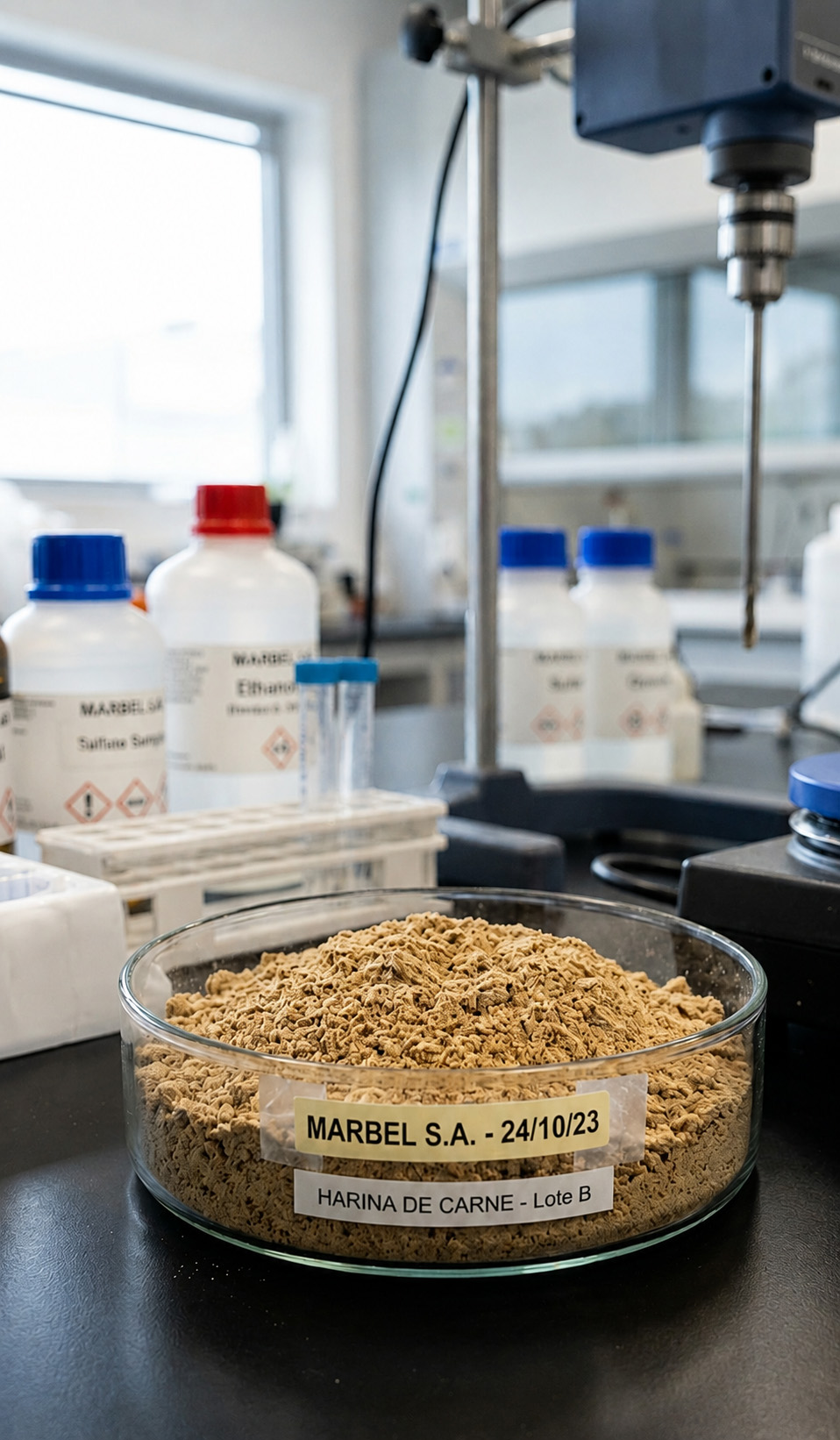
Meat and Bone Meal (MBM): A solid protein and mineral concentrate, highly sought after for pet food formulation and animal nutrition (poultry and swine).
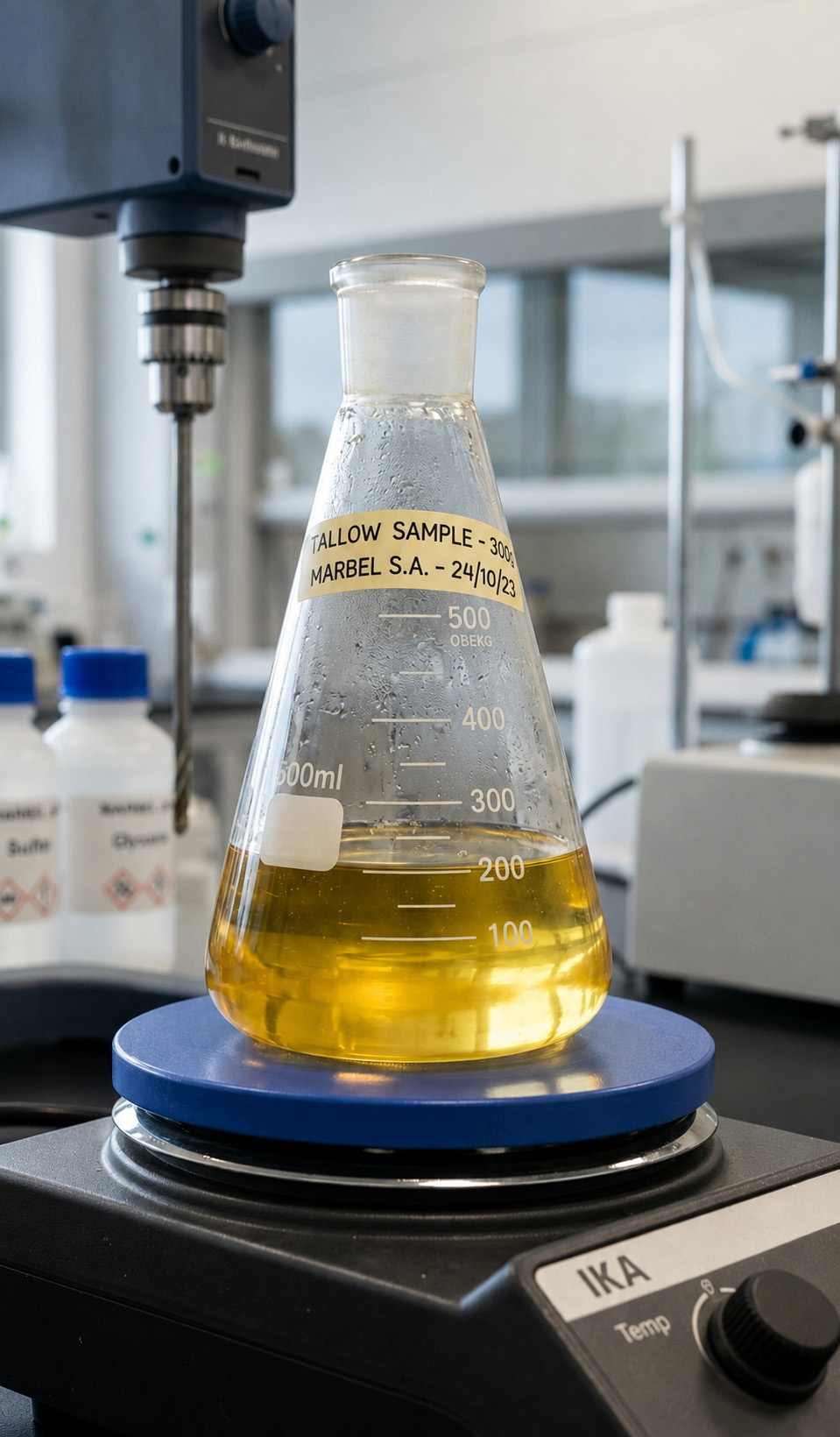
Liquid / Industrial Tallow: Refinable fat utilized in the chemical industry to manufacture soaps, cosmetics, candles, and lubricants—and increasingly as a feedstock for second-generation biofuels (sustainable biodiesel).
Fatty Acids: Refined by-products that serve as key raw materials for the chemical and oleochemical industries.
2 - Thermal Processing (Processing Plant)
Once raw materials arrive at the Marbel processing plant, they undergo a grinding process and are cooked at high temperatures in large industrial digestors. This heat serves three critical functions:
Sterilization: Completely eliminates any viruses, bacteria, or pathogens.
Water Evaporation: Dries the material to concentrate its nutrient content.
Separation: Enables the division of liquid fat from solid components.
4 - Why It Is a Key & Sustainable Activity
Environmental Sustainability: If these leftovers were sent to landfills or improperly disposed of, they would generate greenhouse gases (methane) and contaminate groundwater reserves. Rendering recycles 100% of the material without generating waste.
Public Health: Serves as an essential biosecurity protection service, eliminating potential sources of biological infection in a safe and controlled manner.
Circular Economy: Reinserts tons of nutrients and energy back into the value chain that would otherwise be lost, reducing the reliance on virgin resources (such as soybean or vegetable oils) for the same applications.